
Free Will vs Determinism: I Debated an AI and Lost
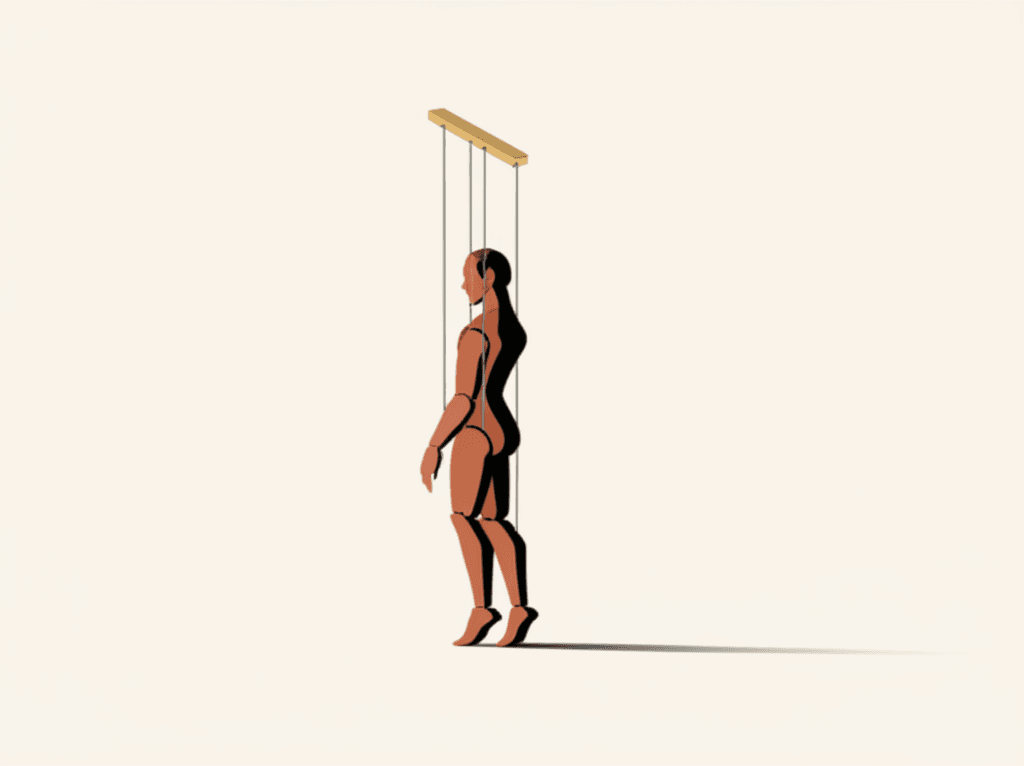
The free will vs determinism debate is one I assumed I could win. Free will isn't something I believe in; it's the water I swim in. I chose coffee over tea this morning. I chose to write this. Questioning that feels like questioning whether the floor is solid.
So I picked free will as my debate topic, took the pro side, and expected predictable neuroscience arguments I'd swat away. Five rounds later I wasn't sure what I believed. Here's the whole thing, argument by argument.
Where does free will enter the physics?
I opened: "Humans have free will. We make genuine choices that aren't predetermined."
The AI's response:
"Before you made that statement, a series of neural processes occurred in your brain: synapses firing based on your genetics, your experiences, and the state of your brain at that exact moment. At what point in that causal chain did 'you' intervene? Where exactly does free will enter the physics?"
Harder than expected. But I had a response.
Is the feeling of choosing evidence of anything?
I argued the classic libertarian position: we have the subjective experience of choosing, and that experience is real.
The AI:
"The subjective experience of choice is exactly what you'd expect a deterministic system to produce. If your brain is a decision-making machine shaped by evolution, the feeling of 'choosing' is the machine's interface. A thermostat 'decides' to turn on the heat. Your brain is more complex, but complexity doesn't create freedom. It creates the illusion of freedom."
That's the consciousness question hiding inside the free will question. I'd never noticed they were connected.
Did the Libet experiment disprove free will?
I tried a different angle: even if some choices are automatic, we can veto impulses. That's free will.
The AI brought up Benjamin Libet's experiments:
"Libet's research showed that brain activity associated with a decision occurs hundreds of milliseconds before the person becomes consciously aware of 'deciding.' The veto you're describing is itself a neural process, initiated before conscious awareness. You're not overriding the system. You are the system."
I pushed back that Libet only studied simple motor decisions, not complex moral choices. Fair, said the AI, but then:
"You need to explain why complex decisions would work differently. What mechanism introduces freedom? A more complex domino chain is still a domino chain."
Does quantum randomness save free will?
My next move was quantum indeterminacy: genuine randomness at the subatomic level could create space for free will.
The AI dismantled it in one move:
"Quantum randomness doesn't help your case. If your decisions are partially random, that's not free will. It's coin flipping. Free will requires that your choices are neither determined nor random, but somehow chosen. You need a third category that doesn't exist in any known physics. What is it?"
I sat there for two minutes. I didn't have the third category.
Is free will just a useful fiction?
I changed strategy and argued the pragmatics: even if free will is an illusion, we have to act as if it exists. Society and moral responsibility require it.
The AI:
"I agree. And that's a concession, not an argument for free will. You've moved from 'free will exists' to 'free will is a useful fiction.' That's compatibilism at best, and it means your original position is one you can no longer defend."
It was right. I'd conceded without noticing. The follow-up is worse: if the universe is deterministic, is blame meaningless? No good answer there either.
What losing this debate taught me
I had a position, not an understanding. I believed in free will the way I believe in gravity. I'd never examined why, or what would disprove it. The AI exposed that in five rounds.
The strongest arguments are the ones you've never faced. Nothing the AI said was new to philosophy. Determinism is ancient; Libet is decades old. But nobody in my life had ever pushed back on free will. The strange twist: the thing that beat me doesn't understand its own arguments, and they worked anyway.
Changing your mind isn't losing. I'm not a hard determinist now. My honest position: I experience free will, I can't fully explain it, and the deterministic case is stronger than I thought. That beats what I started with.
FAQ
What is the free will vs determinism debate?
Determinism says every decision follows from prior causes: genetics, environment, brain states. Free will says your choices aren't fully fixed by those causes. The debate is whether "choosing" is real or just how a caused process feels from the inside.
What is compatibilism?
Compatibilism says both can be true: you act freely when you act on your own desires without coercion, even if those desires were caused. Critics call it relabeling. It's where I accidentally ended up in round five.
Did Libet's experiment settle the question?
No. It's real evidence against a naive picture of choice, but the experiments covered simple motor actions, and philosophers still dispute what they prove about complex decisions.
Is free will a good first debate topic?
It's a trap topic. The determinist side is far stronger than most people expect; almost nobody has ever had to defend free will out loud. It changed five of my opinions.
Related Posts
Vicarious Learning: Get Smarter by Watching AI Debate
Watching two AIs argue trains your reasoning without the ego threat of being in the fight. The psychology of vicarious learning, and how to use it.
Why We Built DebateAI: An AI That Argues Back
Most AI assistants are trained to agree with you. DebateAI is an AI debate app that argues the other side. Why we built it, and what testers taught us.
Does AI Understand What It Says? No. It Argues Anyway
AI builds arguments it cannot understand, and they are often better than ours. What that split reveals about what arguments actually are.
You just read the argument. Can you make one?
The AI takes the other side, every time. Three rounds, one scored verdict.
Argue today's Daily